TB-500
What It Is, How It Works, and What the Research Shows

TB-500 is a synthetic peptide fragment studied for tissue repair, cell migration, and cardiac recovery. Animal model results are promising, and Phase II human trials of the parent compound — Thymosin Beta-4 — showed accelerated wound healing and corneal repair. No controlled human trial has tested TB-500 specifically, and its regulatory status in the US is in active flux as of 2026. This guide covers the science, the honest evidence gaps, the dosing protocols used in research, and what you need to know about legal status before considering it.
Key takeaways
- TB-500 (Ac-LKKTETQ) is a synthetic 7-amino-acid fragment of Thymosin Beta-4 (TB4), a naturally occurring 43-amino-acid protein. These are not the same molecule, and that distinction matters for every benefit claim in this article.
- TB-500 works by binding free actin monomers, allowing cells to migrate toward injury sites more efficiently and stimulating new blood vessel growth through the ILK/Akt signaling pathway.
- Every controlled human trial showing tissue repair benefit used full TB4, not TB-500 specifically.
- WADA prohibits TB-500 under two simultaneous categories — S2 (Growth Factors) and S0 (Non-Approved Substances) — with no Therapeutic Use Exemption available.
- The FDA classified TB-500 as Category 2 in 2023. HHS Secretary RFK Jr. announced a pending reclassification to Category 1 on February 27, 2026, but the FDA had not published the updated list as of March 2026.
Before you start All peptide protocols require physician evaluation. TB-500 carries a theoretical cancer risk due to its pro-angiogenic (new blood vessel–forming) mechanism — anyone with a personal or family history of cancer should discuss this concern with a licensed physician before considering it.
What is TB-500?
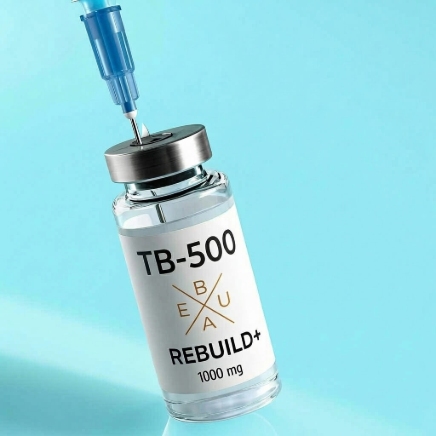
TB-500 is a synthetic heptapeptide — a chain of seven amino acids — with the sequence Ac-LKKTETQ. The “Ac” prefix indicates N-terminal acetylation, a chemical modification at one end of the molecule that protects it from premature enzyme breakdown. Molecular weight: 889 Daltons. Molecular formula: C₃₈H₆₈N₁₀O₁₄. PubChem CID: 62707662.
TB-500 corresponds to positions 17 through 23 of Thymosin Beta-4 (TB4), a naturally occurring 43-amino-acid protein encoded by the TMSB4X gene and present in nearly every human cell. Platelets, white blood cells, and wound fluid contain the highest concentrations of TB4 in the body. Allan Goldstein first purified thymosin proteins from the thymus gland in the 1960s. TB-500 was originally developed as a veterinary product for racehorse injury rehabilitation before entering the research chemical market.
TB-500 is not the same molecule as Thymosin Beta-4
This distinction is more important than most sources acknowledge. TB-500 retains TB4’s actin-binding activity, but it lacks the N-terminal SDKP tetrapeptide domain (Ac-Ser-Asp-Lys-Pro) that full TB4 carries. That domain inhibits blood cell precursor proliferation — TB-500 doesn’t have it. All published human Phase II trials used full TB4. Every benefit claim in this article is filtered through that gap.
| Attribute | TB-500 | Thymosin Beta-4 (TB4) |
|---|---|---|
| Length | 7 amino acids | 43 amino acids |
| Molecular weight | 889 Da | ~4,963 Da |
| Sequence | Ac-LKKTETQ | Full SDKPDMAEI…AGES |
| N-terminal SDKP domain | Absent | Present |
| Actin binding | Yes (LKKTET motif) | Yes |
| Human trial data | None (TB-500 specific) | Phase II trials completed |
| WADA status | Prohibited (S2 + S0) | Prohibited (S2 + S0) |
| Primary source | Synthetic only | Endogenous in all nucleated cells |
TB-500 is sold as an acetate salt in lyophilized (freeze-dried) powder form, typically in 5 mg vials. No arginate salt version exists for TB-500 — unlike BPC-157, which has a marketed arginate form with different stability properties.
A 2024 study by Rahaman et al. (Journal of Chromatography B) identified several TB-500 metabolites and found those breakdown products may themselves carry wound-healing activity in vitro. Whether TB-500’s effects come from the intact peptide, its metabolites, or a combination remains unanswered.
Learn more about how TB-500 compares structurally to BPC-157.
How does TB-500 work?
TB-500 doesn’t act at the injury site directly. It works on fundamental cellular machinery — actin dynamics, cell survival signaling, and blood vessel formation — that shapes how your body responds to tissue damage from any injection site.
G-actin sequestration: what it means for cell movement
Actin is one of the most abundant proteins in your cells, making up roughly 10% of total cellular protein. It exists in two forms: free-floating monomers (G-actin) and assembled filaments (F-actin). TB-500 binds G-actin monomers and prevents them from assembling into filaments prematurely.
The practical result: a ready reserve of actin monomers that cells can deploy when they need to move toward an injury, change shape, or divide. Thymosin Beta-4 sequesters an estimated 40 to 50% of the total G-actin pool in most cell types. More available G-actin means faster cell migration to damaged tissue.
ILK/Akt activation: the cell survival pathway
TB-500 activates integrin-linked kinase (ILK), an enzyme in the focal adhesion complex — the point where cells anchor to surrounding tissue matrix. ILK activates Protein Kinase B (Akt), a major cell survival signal. A 2004 Nature study by Bock-Marquette et al. (PMID 15565145) demonstrated that this ILK-to-Akt pathway is how TB4 promotes heart muscle cell survival and reduces cell death after cardiac injury.
VEGF upregulation: building new blood vessels
TB-500 drives angiogenesis — the formation of new blood vessels. During early-stage angiogenesis, TB4 upregulates vascular endothelial growth factor (VEGF) by an estimated 4 to 6 fold. This matters most for tendons and ligaments, which have naturally poor blood supply. New vessels deliver oxygen and nutrients to repair sites that otherwise can’t access them efficiently.
Anti-inflammatory modulation
TB4 reduces pro-inflammatory cytokines including IL-1 beta, MIP-1 alpha, MIP-2, and MCP-1, and modulates NF-kB signaling — a master switch for inflammatory gene expression. A 2023 study showed TB4 limits NLRP3 inflammasome activation by dampening JNK/p38 MAPK signaling.
Why injection site doesn’t matter
Unlike BPC-157, TB-500 distributes throughout the body from any injection site. Its low molecular weight (889 Da) and lack of extracellular matrix binding allow it to travel freely through tissues. Injecting TB-500 into the abdomen produces the same tissue-level exposure at a distant injury as injecting near the injury itself. The abdomen is the standard approach.
Learn more about TB-500’s systemic distribution and how it differs from local-acting peptides.
What does the research show?
Key takeaways — Research
- The strongest human evidence belongs to full TB4, not TB-500. No human RCT has tested TB-500 specifically.
- Wound healing and dry eye are the only indications with completed Phase II trials — both used full TB4.
- Animal models show results in tendons, TBI, and cardiac repair, but none have translated to human controlled trials.
- PeptideRx rates the overall evidence for TB-500 as Grade C: primarily animal and in vitro data, with limited human evidence available only for the parent compound TB4, not TB-500.
Every section below opens with an evidence tier. “Human Phase II” means controlled trials in people — all used full TB4. “Animal study” means data from rats, mice, or horses. No human RCT exists for TB-500 specifically.
Skin and wound healing
Evidence tier: Human Phase II (TB4 only)
This is where the evidence base is strongest, though all trials used full TB4.
Two Phase II trials (NCT00311766 and NCT00832091) tested topical TB4 in patients with chronic stasis ulcers and pressure ulcers. Treated patients healed approximately one month faster than controls (Treadwell et al., 2012, PMID 23050815). A separate trial in patients with epidermolysis bullosa (a severe genetic skin condition causing blistering) also showed accelerated wound closure. TB4 was well-tolerated across all dermal trials.
A separate Phase II dry eye trial (NCT01387347) tested 0.1% TB4 ophthalmic solution in 72 subjects with moderate to severe dry eye over 28 days. The treatment group showed a 35.1% reduction in ocular discomfort scores versus placebo. Corneal fluorescein staining — a measure of surface damage — decreased by 59.1% versus placebo. No significant adverse events were reported and no subjects withdrew due to side effects (Sosne and Ousler, 2015).
Data gap: All wound healing and corneal trials used full Thymosin Beta-4. Whether the 7-amino-acid TB-500 fragment produces equivalent clinical results in human wounds remains untested.
Tendons, ligaments, and muscle
Evidence tier: Animal studies only. No human RCTs.
Yoshida et al. (2013, PMID 23523891) studied TB-500’s effects on medial collateral ligament (MCL) injuries in rats. At 4 weeks, treated rats showed improved biomechanical properties and increased collagen fibril diameter compared to controls, suggesting better-organized tissue repair.
TB-500 has a history of real-world use in horse racing. Equine veterinary experience documented reduced healing times and improved tissue quality in racehorses with tendon and ligament injuries — and this is also why anti-doping detection methods for TB-500 were developed early on. The VEGF-driven angiogenesis mechanism explains why tendons and ligaments respond in animal models: these tissues have naturally poor blood supply, making new vessel formation particularly valuable for repair.
Data gap: Zero human RCTs exist for TB-500 or TB4 in musculoskeletal applications. All tendon and ligament evidence comes from animal models.
Neurological — TBI, stroke, neurodegeneration
Evidence tier: Animal studies only. No human neurological trials.
Xiong et al. (2012, PMID 23050817) administered TB4 at 6 mg/kg to rats 6 hours after traumatic brain injury. Treatment reduced cortical lesion volume by 20 to 30%, decreased hippocampal cell loss, and improved spatial learning on the Morris Water Maze test. An earlier Xiong study (2011, PMID 20486893) found that delayed TB4 treatment produced functional recovery through increased angiogenesis, neurogenesis (new nerve cell growth), and oligodendrogenesis (new myelin-producing cell growth) — rather than by preventing initial damage.
A 2025 study in Scientific Reports identified Sphingosine-1-phosphate receptor 1 (S1PR1) as a pathway through which TB4 may stabilize the blood-brain barrier under low-oxygen conditions, adding a potential neuroprotective mechanism beyond actin sequestration.
Data gap: No human neurological trials exist for TB-500 or TB4. The rat TBI findings are among the strongest preclinical results in the TB4 literature, but human translation remains entirely untested.
Cardiovascular
Evidence tier: One small human pilot (TB4) + animal data.
Maar et al. (2021, PMC8228050) showed that intravenous TB4 transformed the epicardium (the outer layer of the mouse heart) into an embryonically active state, even in uninjured hearts. Treatment increased capillary density, mature vessel formation, and reactivated progenitor cells normally dormant in adults. The implication: TB4 may be able to reactivate cardiac tissue’s repair capacity without requiring injury as a trigger.
Zhu et al. (2016, PMID 27380885) conducted the only published human cardiac study — a pilot trial of approximately 20 patients with acute ST-elevation myocardial infarction (STEMI). The approach used TB4-pretreated endothelial progenitor cell transplantation and was found to be safe with preliminary signs of efficacy. This remains the only published human cardiovascular data for TB4.
Data gap: No large-scale human cardiac RCT has been completed. The epicardial reactivation concept is entirely preclinical.
GI, liver, anti-aging, and immune
Evidence tier: Preclinical only.
GI: TB-500 has minimal published gastrointestinal data. BPC-157 is far better supported for gut healing, with extensive evidence in ulcers, IBD, and intestinal protection. If GI healing is your primary goal, BPC-157 is the better-evidenced option.
Liver: Shah et al. (2018) showed TB4 reduced inflammation, oxidative stress, and fibrosis in a mouse model of alcoholic liver injury through NLRP3 inflammasome inhibition and autophagy promotion. All data is preclinical.
Anti-aging: The Maar et al. (2021) epicardial reactivation study is the primary basis for TB4’s longevity research interest. The ability to reawaken dormant embryonic repair programs in adult tissue — without requiring injury — positions TB4 as a candidate worth further investigation. No human anti-aging trials exist.
Immune/Sepsis: TB4 sulfoxide (an oxidized form) blocks neutrophil chemotaxis — the process by which immune cells swarm to infection sites. In sepsis, excessive F-actin release into the bloodstream may worsen organ damage; TB4’s actin-sequestering mechanism is theoretically relevant, but this area is in early preclinical stages.
Research summary by condition
| Condition | Best evidence tier | Key finding | Human RCT? |
|---|---|---|---|
| Skin and wound healing | Human Phase II (TB4) | ~1 month faster healing (Treadwell et al., 2012) | Yes (TB4 only) |
| Dry eye / corneal healing | Human Phase II (TB4) | 35.1% discomfort reduction (NCT01387347) | Yes (TB4 only) |
| Cardiac protection | Human pilot (TB4) | Safe in ~20 STEMI patients (Zhu et al., 2016) | Pilot only |
| TBI / neurological | Animal (TB4) | 20–30% cortical lesion reduction in rats (Xiong et al., 2012) | No |
| Tendon / ligament | Animal (TB4/TB-500) | Increased collagen fibril diameter in rat MCL (Yoshida et al., 2013) | No |
| Muscle repair | Animal (TB4) | Improved fiber regeneration in models | No |
| Liver protection | Animal (TB4) | Reduced fibrosis in alcoholic liver model (Shah et al., 2018) | No |
| GI healing | Minimal data | Limited evidence; BPC-157 far stronger | No |
Learn more about the evidence tiers for peptides used in musculoskeletal recovery.
Who uses TB-500?
TB-500 draws five main groups. Understanding which one applies to you helps calibrate the relevant evidence and risks.
Recreational athletes and gym-goers represent the largest segment. Rotator cuff injuries, Achilles tendon problems, hamstring tears, and chronic joint pain are the most common reasons for use. Many people discover TB-500 after conventional treatments produce slow results or after encountering the “Wolverine Stack” — a community-named combination of TB-500 and BPC-157.
Biohackers and longevity enthusiasts are drawn to TB-500’s anti-aging research angle, particularly the Maar et al. (2021) epicardial reactivation findings. This group tends to evaluate study design before committing to a protocol.
Post-surgical patients explore TB-500 after orthopedic procedures, seeking to support standard rehabilitation protocols.
Functional medicine patients use TB-500 as part of broader integrative recovery programs, often combined with other peptides or regenerative treatments.
Veterinary use remains significant. TB-500 was originally a racehorse product, and equine applications continue to generate real-world experience data — though veterinary outcomes do not directly translate to human use.
Note: Several public figures have discussed TB-500 in podcast contexts. These mentions provide cultural background, not clinical evidence. No influencer discussion of TB-500 is supported by human RCT data.
TB-500 vs BPC-157
These two peptides are frequently compared and often combined. They work through different mechanisms, which is why both the comparison and the combination make sense to understand.
| Attribute | TB-500 | BPC-157 |
|---|---|---|
| Size | 7 amino acids, 889 Da | 15 amino acids, 1,419 Da |
| Origin | Fragment of thymus protein (TB4) | Fragment of gastric juice protein |
| Primary mechanism | Actin sequestration + ILK/Akt | VEGFR2 angiogenesis + NO modulation |
| Action scope | Systemic (any injection site effective) | Local (benefits from near-injury injection) |
| GI evidence | Minimal | Strong (ulcers, IBD, fistula models) |
| Oral stability | Not orally stable | Stable in gastric acid >24 hours |
| Human trial data | Phase II for TB4; none for TB-500 | 3 small pilot studies (~30 subjects) |
| WADA status | Prohibited (S2 + S0) | Prohibited (S0) |
| FDA status | Category 2 (reclassification pending) | Category 2 (reclassification pending) |
When TB-500 fits better: Bilateral or systemic injuries (both shoulders, full-body recovery), situations where a single injection site is preferred for body-wide effect, cardiac or neurological research interest, conditions involving poor cell migration.
When BPC-157 fits better: GI conditions (gut healing, ulcers, IBD), localized musculoskeletal injuries where near-site injection is practical, oral administration (arginate salt form), conditions involving local vascular and tissue repair.
When combining both makes sense: Multi-site injuries, situations where both local initiation and systemic support are desired, or complex injuries requiring broad coverage. See the Stacking section below.
Learn more about BPC-157’s mechanism and evidence profile.
Dosing and administration
Important: No FDA-approved dosing protocol exists for TB-500. The ranges below come from animal study extrapolation, veterinary use data, and practitioner reports. Consult a licensed physician before using any peptide.
Administration routes
| Route | Bioavailability | Evidence support | Notes |
|---|---|---|---|
| Subcutaneous (SubQ) | High | Most studied route | Preferred for all systemic goals |
| Intramuscular (IM) | High | Secondary route | 25-gauge needle; vastus lateralis (outer thigh) |
| Oral | Unknown | No published data | Not supported — peptides degrade in gastric acid |
| Nasal | Unknown | No published data | Sold by some vendors; no efficacy data |
| Sublingual | Unknown | No published data | No clinical support |
| Topical ophthalmic | Validated for cornea | Phase II trial data (TB4) | Corneal healing only (NCT01387347) |
Subcutaneous injection is the standard route. Because TB-500 distributes systemically, the injection site does not need to be near the injury. Abdominal SubQ injection using a 29 to 31 gauge insulin syringe is the typical approach. Rotating injection sites each session helps prevent lipohypertrophy (small fat deposits under the skin).
Oral, nasal, and sublingual formulations have zero published bioavailability data for TB-500. TB-500 does not share BPC-157’s unusual gastric acid stability. These routes are not supported by clinical evidence.
Dosing protocols used in research and clinical contexts
| Phase | Dose per injection | Frequency | Duration | Purpose |
|---|---|---|---|---|
| Loading | 2 to 2.5 mg | 2–3 times per week | Weeks 1–6 | Build tissue-level concentration |
| Maintenance | 2 mg | Once per week | Weeks 7–12+ | Sustain repair activity |
| Acute injury protocol | 2.5 mg | 3 times per week | 2–4 weeks | Accelerate healing window |
| Low-dose daily (alternative) | 750 mcg to 1.5 mg | Daily | 2–4 weeks | Lower per-dose, higher frequency |
Loading phase rationale: TB-500’s reported half-life is 7 to 10 days, though this figure comes from secondary sources and no formal human pharmacokinetic study has been published. WADA-confirmed detection methods show plasma detectability for 24 to 48 hours post-administration using LC-MS/MS. The extended half-life estimate likely reflects tissue-level persistence rather than circulating peptide concentration. The loading phase aims to build tissue saturation over 4 to 6 weeks before transitioning to a lower maintenance dose.
Weight-based dosing note: Animal studies used approximately 6 mg/kg in rats (Xiong et al., 2012). Direct weight-based extrapolation to humans has not been validated. Most reported clinical protocols use a flat dose of 2 to 2.5 mg regardless of body weight.
Post-cycle considerations: TB-500 does not affect testosterone, estrogen, LH, or FSH. It does not suppress the hypothalamic-pituitary-gonadal (HPG) axis. No post-cycle therapy is required after a TB-500 course.
Timing: No evidence supports a specific administration time or fasting requirement.
Learn more about how TB-500 loading and maintenance dosing compares to other repair peptides.
Reconstitution and injection guide
TB-500 is sold as a lyophilized (freeze-dried) powder, typically in 5 mg vials. Reconstitution requires bacteriostatic water (BAC water).
Reconstitution math for a 5 mg vial
| BAC water added | Resulting concentration | Volume per 2 mg dose | Volume per 2.5 mg dose |
|---|---|---|---|
| 1.0 mL | 5 mg/mL | 0.40 mL (40 units on insulin syringe) | 0.50 mL (50 units) |
| 2.5 mL | 2 mg/mL | 1.00 mL (100 units) | 1.25 mL (use 2 injections) |
Reconstitution steps
- Allow the lyophilized vial to reach room temperature (approximately 15 minutes out of the freezer).
- Wash hands thoroughly and wear nitrile gloves.
- Swab both the TB-500 vial stopper and the BAC water vial stopper with separate alcohol pads.
- Draw the desired volume of BAC water into an insulin syringe.
- Insert the needle into the TB-500 vial and release the water slowly along the inside wall of the glass — do not spray directly onto the powder.
- Do not shake the vial. Shaking causes mechanical degradation of the peptide (Rahaman et al., 2024). Swirl gently until the powder dissolves into a clear, colorless solution. Discard if the solution is cloudy or discolored.
- Label the vial with the date, concentration, and “TB-500.” Refrigerate immediately.
Storage guidelines
| State | Temperature | Duration | Notes |
|---|---|---|---|
| Lyophilized powder | Room temperature | ~3 weeks | Acceptable for shipping |
| Lyophilized powder | −18°C or below | 12+ months | Recommended for long-term storage |
| Reconstituted solution | 2–8°C (refrigerator) | 28–30 days | Never freeze after reconstitution |
Injection technique
Use a 29 to 31 gauge insulin syringe for SubQ. Pinch a fold of abdominal skin away from the navel, insert at a 45 to 90 degree angle, inject slowly, and withdraw. Aspiration (pulling back on the plunger to check for blood) is not required for subcutaneous injections. Rotate injection sites each time.
The abdomen is the preferred site for all goals, because TB-500 distributes systemically. Injecting near the injury provides no advantage over abdominal injection — this is the opposite of BPC-157, which benefits from local injection near the target tissue.
Stacking TB-500
The Wolverine Stack: TB-500 + BPC-157
The most widely reported peptide combination for tissue repair. The rationale: BPC-157 initiates local repair (building new blood vessels and attracting repair cells to the injury site), while TB-500 provides systemic support (mobilizing cells body-wide, promoting migration, and enhancing survival signaling).
| Compound | Commonly reported dose | Frequency | Injection site | Syringe | Purpose |
|---|---|---|---|---|---|
| BPC-157 | 250–500 mcg | Daily | Near injury (SubQ) | Separate syringe | Local repair initiation |
| TB-500 | 2–2.5 mg | 2–3×/week | Abdomen (SubQ) | Separate syringe | Systemic repair support |
Do not mix TB-500 and BPC-157 in the same syringe. Use separate syringes and separate injection sites. Both can be administered on the same day. Some vendors sell pre-blended vials, but separate vials allow independent dose adjustment.
Data gap: No human clinical study has tested the BPC-157 + TB-500 combination. The mechanistic rationale is sound, but this stack is clinically unvalidated.
Other reported combinations
TB-500 + GHK-Cu: GHK-Cu supports collagen synthesis and tissue remodeling. This pairing targets connective tissue repair from two angles — TB-500 drives cell migration and angiogenesis while GHK-Cu supports structural protein production.
TB-500 + KPV: KPV is a short anti-inflammatory peptide. The combination targets conditions where managing inflammation alongside tissue repair is a priority.
TB-500 + CJC-1295/Ipamorelin: CJC-1295 stimulates growth hormone release. The theoretical rationale: TB-500 upregulates growth factor receptors while CJC-1295/Ipamorelin increases circulating growth hormone, potentially amplifying repair signaling. This is a common pairing in longevity-focused protocols.
TB-500 + NAD+: Theoretical synergy through sirtuin pathway activation alongside TB-500’s repair mechanisms. No published combination data exists.
Combinations to avoid
Important: Do not combine TB-500 with other pro-angiogenic compounds if you have any history of cancer. Use caution combining TB-500 with anticoagulant medications (warfarin, heparin, DOACs) due to theoretical compounding of anti-clotting effects. Consult a licensed physician before combining TB-500 with immunosuppressant medications.
Side effects and safety
Phase II human trial safety (TB4)
Phase II clinical trials using full TB4 reported a strong safety profile. In wound healing trials, IV TB4 was tolerated at doses ranging from 42 mg to 1,260 mg without serious adverse events. The dry eye trial (72 subjects, 28-day treatment) recorded no significant adverse events and no withdrawals due to side effects. These findings apply to full TB4, not to the TB-500 fragment specifically.
Documented and reported side effects
| Effect | Severity | Notes |
|---|---|---|
| Injection site redness, swelling, itching | Mild | Typical for subcutaneous peptide injections; resolves within hours |
| Headache, nausea, mild fatigue | Mild | Anecdotal reports; not confirmed in clinical trials |
| Transient dizziness | Mild | Possibly related to nitric oxide–mediated vasodilation and blood pressure changes |
| Tumor growth acceleration | Theoretical (serious) | See cancer risk section below; not confirmed in humans |
| Immunogenicity | Theoretical (serious) | Cited by FDA as a concern; no published anaphylaxis cases |
The cancer risk — the most important safety consideration
TB-500 promotes angiogenesis. Tumors also need new blood vessels to grow beyond a few millimeters in size. This shared mechanism creates a real theoretical concern: could TB-500 accelerate growth of dormant or undetected tumors?
The published evidence runs in both directions. Some studies show TB4 overexpression associates with tumor progression in certain cancer types. Others show tumor-suppressive effects — in multiple myeloma, male breast cancer, and pancreatic cancer models, TB4 levels were associated with better outcomes or reduced progression. No confirmed causal link between TB-500 or TB4 and cancer development has been established in any published human study. No long-term human safety study has specifically investigated this question.
The contraindication is absolute regardless: anyone with active cancer, cancer in remission, or a strong family history of angiogenesis-dependent malignancies should not use TB-500.
Long-term safety
No long-term human safety data exists for TB-500 or TB4. The longest human trials lasted weeks to months. This is the single most important unresolved question in the TB-500 evidence base. Years of anecdotal community use cannot detect rare or slow-developing adverse effects.
Contraindications
- Active cancer, cancer in remission, or strong family history of cancer
- Pregnancy and breastfeeding (no safety data)
- Concurrent anticoagulant therapy (consult a licensed physician)
- Active immunosuppressive therapy (consult a licensed physician)
- Children and adolescents (no pediatric data)
Learn more about the safety profile of peptides used for tissue repair.
Legal status (2026)
FDA regulatory timeline
2023: The FDA classified TB-500 (as Thymosin Beta-4 fragment) as a Category 2 bulk drug substance, indicating significant safety concerns. Category 2 status prohibits licensed compounding pharmacies from preparing TB-500 under Section 503A and 503B of the Federal Food, Drug, and Cosmetic Act. The FDA cited insufficient clinical investigation data and immunogenicity concerns as the basis for the classification.
February 27, 2026: HHS Secretary Robert F. Kennedy Jr. announced that approximately 14 of the 19 Category 2 peptides would be reclassified to Category 1 status, restoring legal compounding access. TB-500 is among the peptides expected to return to Category 1 under this announcement.
March 2026 (current status): The FDA has not published its official updated Category list. The reclassification remains pending. Until the FDA formally updates its guidance, compounding TB-500 remains prohibited.
Important: Category 1 reclassification does not equal FDA drug approval. TB-500 would remain an off-label, unapproved compound requiring physician supervision and a valid prescription. Monitor the FDA bulk drug substances list at FDA.gov for official confirmation.
Federal enforcement of peptide regulations is ongoing. The Department of Justice prosecuted a major compounding firm, resulting in a guilty plea and $1.79 million forfeiture for compounding prohibited peptides. In June 2025, the FDA conducted enforcement action against a research peptide vendor. These cases demonstrate that regulatory activity in this space is active.
WADA and sports bans
WADA prohibits TB-500 under two simultaneous categories on the 2026 Prohibited List (approved September 11, 2025, effective January 1, 2026):
S2 (Peptide Hormones, Growth Factors, Related Substances, and Mimetics): The 2026 WADA Prohibited List explicitly names “Thymosin-β4 and its derivatives e.g. TB-500” under S2.3 (Growth Factors). Prohibited at all times, in and out of competition.
S0 (Non-Approved Substances): As an unapproved substance with no governmental regulatory approval for human therapeutic use, TB-500 also falls under the S0 catch-all prohibition. This means TB-500 is banned under two independent categories simultaneously.
No Therapeutic Use Exemption (TUE) is available for TB-500. WADA-funded detection research (August 2023) achieved detection limits of 0.01 ng/mL in equine urine and 0.02 ng/mL in equine plasma using LC-MS/MS (Ho et al., 2012). Human detection methods have been refined. Plasma detectability extends 24 to 48 hours post-administration.
Regulatory status by region and organization
| Region / Organization | TB-500 status | Compounding access | Notes |
|---|---|---|---|
| United States (FDA) | Category 2; reclassification pending | Prohibited until formal FDA action | RFK announcement not yet finalized |
| WADA / USADA | Prohibited (S2 + S0) | N/A | At all times; no TUE |
| NCAA | Prohibited | N/A | Listed in 2026 banned substance handbook |
| NFL / UFC | Prohibited | N/A | Specifically listed |
| DoD / OPSS | Prohibited | N/A | All US military service members |
| European Union | Not approved | Varies by country | Generally treated as unapproved drug |
| United Kingdom | Not approved | Not available | Sold as research chemical |
| Australia (TGA) | Schedule 4 or higher | Prescription required | Strict import controls |
| Canada | Not approved | Not available | Health Canada regulated |
Gray market access
TB-500 is sold online by research chemical vendors labeled “not for human consumption” or “for research purposes only.” Possession is not a criminal offense for individuals in the US, because TB-500 is not DEA-scheduled. Selling TB-500 for human therapeutic use violates FDA regulations.
Learn more about the FDA’s bulk drug substance compounding categories and the 2026 reclassification announcement.
Buying guide and quality evaluation
TB-500 is available from research chemical vendors at approximately $30 to $70 per 5 mg vial. It is not available through mainstream retail channels.
Quality criteria (in priority order)
- HPLC purity ≥98%. High-performance liquid chromatography should confirm peptide purity. This figure must appear on the Certificate of Analysis (COA).
- Third-party laboratory testing. The COA should come from an independent, named laboratory — not the vendor’s own in-house testing.
- Mass spectrometry identity confirmation. MS/MS data confirms the correct amino acid sequence is present, not just “something that is 98% pure.”
- Endotoxin/LPS testing. Bacterial endotoxin contamination can cause fever, inflammation, and dangerous reactions from injected products. This test is often absent from lower-quality sources.
- Heavy metals testing. Arsenic and lead contamination has been documented in research peptides.
- Batch number matching. The COA should include a batch number matching the label on your vial. A single generic COA used for all products is a red flag.
Red flags to watch for
- No third-party COA available, or COA provided only after purchase
- No physical business address or customer service contact
- Explicit therapeutic claims on the website (“heals tendons,” “cures injuries”)
- No batch numbers on vials
- Pricing below $20 per 5 mg vial (below realistic manufacturing cost for quality product)
- No “for research use only” disclaimer visible
Compounding pharmacy access is expected to resume after the FDA formally finalizes the Category 1 reclassification. Pharmacy-grade preparations with physician oversight represent the highest-quality sourcing pathway when available.
Non-peptide alternatives
For each condition where TB-500 is being considered, established clinical options with stronger human evidence exist:
Tendon and ligament injuries: Platelet-Rich Plasma (PRP), extracorporeal shockwave therapy (ESWT), and progressive eccentric loading exercise represent the strongest evidence-based interventions for most tendinopathies.
Wound healing: Standard wound care protocols, negative pressure wound therapy, and hyperbaric oxygen therapy have established clinical evidence.
Cardiac rehabilitation: Standard cardiac rehab programs, medications (ACE inhibitors, beta-blockers, statins), and lifestyle interventions carry decades of human outcome data.
General recovery: Progressive resistance training, adequate sleep, and nutrition fundamentals outperform any peptide for recovery in the absence of specific pathology.
The bottom line
TB-500 has a coherent mechanism — actin sequestration, angiogenesis, ILK/Akt cell survival — and the parent compound, Thymosin Beta-4, has completed Phase II trials showing real benefit in wound healing and dry eye. The gap that matters: those trials used full TB4, not the TB-500 fragment, and no controlled human study has tested TB-500 specifically. For musculoskeletal, neurological, and cardiac applications, all the available data comes from animal models. If you’re considering TB-500, your conversation with a licensed physician should cover your cancer history, your current medications, and what evidence-based alternatives exist for your specific condition. The regulatory picture is shifting — the pending FDA reclassification could open compounding access in 2026 — but that change makes supervision more accessible, not less necessary.
Frequently asked questions
Is TB-500 the same as Thymosin Beta-4?
No. TB-500 is a synthetic 7-amino-acid fragment (Ac-LKKTETQ) corresponding to positions 17 through 23 of Thymosin Beta-4, which is a naturally occurring 43-amino-acid protein. TB-500 retains TB4’s actin-binding activity but lacks several functional regions, including the N-terminal SDKP domain. All human Phase II trial data belongs to full TB4, not TB-500.
Is TB-500 FDA-approved?
No. The FDA classified TB-500 as a Category 2 bulk drug substance in 2023, prohibiting its use in compounding. HHS Secretary RFK Jr. announced a pending reclassification to Category 1 on February 27, 2026, but the FDA had not formally published the updated list as of March 2026. TB-500 remains a research chemical with no approved therapeutic indication for human use.
Is TB-500 banned in sports?
Yes. WADA prohibits TB-500 under both S2 (Peptide Hormones, Growth Factors) and S0 (Non-Approved Substances). The 2026 WADA Prohibited List explicitly names “Thymosin-β4 and its derivatives e.g. TB-500.” The ban applies at all times, in and out of competition, with no Therapeutic Use Exemption available. The NCAA, NFL, UFC, and US Department of Defense also prohibit TB-500.
Should you inject TB-500 near the injury?
No. TB-500 distributes systemically from any injection site due to its low molecular weight (889 Da) and lack of extracellular matrix binding. Abdominal subcutaneous injection is the standard approach regardless of where the injury is located. This is the opposite of BPC-157, which benefits from injection near the target tissue.
Does TB-500 cause cancer?
No confirmed causal link exists in any published human study. The concern is mechanistic: TB-500 promotes angiogenesis (new blood vessel growth), which is also a requirement for tumor growth beyond a few millimeters. Evidence in the published literature runs in both directions, with some studies showing tumor-suppressive effects and others showing tumor-promoting associations in specific cancer types. TB-500 is absolutely contraindicated for anyone with active cancer, cancer history, or strong family cancer history.
Is post-cycle therapy required after TB-500?
No. TB-500 does not affect testosterone, estrogen, LH, or FSH, and does not suppress the hypothalamic-pituitary-gonadal axis. No post-cycle therapy is required.
What is TB-500’s half-life?
TB-500’s half-life is commonly reported as 7 to 10 days, though no formal human pharmacokinetic study has been published to confirm this. WADA-validated detection methods show plasma detectability of 24 to 48 hours post-administration using LC-MS/MS. The extended half-life estimate likely reflects tissue-level persistence rather than circulating peptide concentration.
Can TB-500 and BPC-157 be mixed in the same syringe?
No. Use separate syringes and separate injection sites for TB-500 and BPC-157. Both can be administered on the same day without interaction concerns. Mixing peptides in a single syringe risks chemical interaction, potential degradation, and inaccurate dosing.
How long does TB-500 take to work?
Initial improvements in pain and mobility are commonly reported within 7 to 14 days of starting a loading protocol. Significant tissue-level recovery typically requires 4 to 6 weeks of consistent dosing based on community reports and animal model timelines. No clinical trial has measured time-to-effect for TB-500 specifically.
What did RFK Jr. announce about TB-500?
On February 27, 2026, HHS Secretary Robert F. Kennedy Jr. announced that approximately 14 of the 19 Category 2 peptides — including TB-500 — would be reclassified to Category 1, restoring legal compounding access under physician prescription. The FDA had not published the formal updated list as of March 2026. Category 1 status does not equal FDA drug approval; a physician prescription and supervision would still be required.
Considering peptide therapy? Speak with a licensed physician who can review your health history and discuss whether any option is appropriate for your situation.
References
- Bock-Marquette I, Saxena A, White MD, DiMaio JM, Srivastava D. Thymosin beta4 activates integrin-linked kinase and promotes cardiac cell migration, survival and cardiac repair. Nature. 2004;432(7016):466-472. PMID: 15565145.
- Maar K, Hetenyi R, Maar S, et al. Utilizing developmentally essential secreted peptides such as thymosin beta-4 to remind the adult organs of their embryonic state. Cells. 2021;10(6):1343. PMC8228050.
- Xiong Y, Mahmood A, Meng Y, et al. Neuroprotective and neurorestorative effects of thymosin beta 4 following experimental traumatic brain injury. Annals of the New York Academy of Sciences. 2012;1270:51-58. PMID: 23050817.
- Xiong Y, Zhang Y, Mahmood A, et al. Neuroprotective and neurorestorative effects of thymosin beta-4 treatment initiated 6 hours after traumatic brain injury. Journal of Neurosurgery. 2011;116(5):1081-1092. PMID: 20486893.
- Yoshida R, Murray MM. Peripheral blood mononuclear cells enhance the anabolic effects of platelet-rich plasma on anterior cruciate ligament fibroblasts. Journal of Orthopaedic Research. 2013;31(1):29-34. PMID: 23523891.
- Treadwell T, Kleinman HK, Crockford D, Hardy MA, Guarnera GT, Goldstein AL. The regenerative peptide thymosin β4 accelerates the rate of dermal healing in preclinical animal models and in patients. Annals of the New York Academy of Sciences. 2012;1270:37-44. PMID: 23050815.
- Kleinman HK, Sosne G. Thymosin beta 4 promotes dermal healing. Vitamins and Hormones. 2016;102:251-275. PMID: 27450738.
- Goldstein AL, Hannappel E, Sosne G, Kleinman HK. Thymosin β4: a multi-functional regenerative peptide. Expert Opinion on Biological Therapy. 2012;12(1):37-51. PMID: 22074294.
- Rahaman KA, Muresan AR, Min H, et al. Simultaneous quantification of TB-500 and its metabolites. Journal of Chromatography B. 2024;1235:124033.
- Zhu J, Song J, Yu L, et al. Safety and efficacy of autologous thymosin β4 pre-treated endothelial progenitor cell transplantation in patients with acute STEMI: a pilot study. Cytotherapy. 2016;18(8):1037-1042. PMID: 27380885.
- Shah R, Reyes-Gordillo K, Cheng Y, et al. Thymosin β4 prevents oxidative stress, inflammation, and fibrosis in ethanol- and LPS-induced liver injury in mice. Oxidative Medicine and Cellular Longevity. 2018;2018:9630175.
- Ho EN, Kwok W, Lau M, et al. Doping control analysis of TB-500 in equine urine and plasma by LC-MS/MS. Journal of Chromatography A. 2012;1265:57-69.
- Sosne G, Ousler GW. Thymosin beta 4 ophthalmic solution for dry eye: a randomized, placebo-controlled phase 2 clinical trial. Clinical Ophthalmology. 2015;9:877-884. NCT01387347.
- ClinicalTrials.gov registrations: NCT00311766, NCT00832091, NCT00598871, NCT01387347.
- WADA 2026 Prohibited List. International Standard. Approved September 11, 2025. Effective January 1, 2026.
Disclaimer: PeptideRx provides physician-reviewed educational content about peptide therapy. PeptideRx does not provide medical advice, diagnosis, or treatment. TB-500 is not FDA-approved for human therapeutic use. All dosing information reflects published research protocols, not prescribing recommendations. Consult a licensed healthcare provider before making any decisions about peptide therapy. Content medically reviewed [date]. Evidence grading criteria are working definitions pending formal review.